


The Best 9mm Ammo for Every Shooter, From Range Day to Self-Defense
The 9mm cartridge has been around for over 120 years, yet it remains one of the most popular choices for self-defense and target shooting worldwide. Its jacketed hollow-point bullets expand upon impact, creating a larger wound channel while reducing the risk of over-penetration. You’ll find that recoil is notably manageable, which helps you stay on target for faster follow-up shots and more accurate shooting sessions. Just chamber a round, press the trigger, and the primer ignites the powder, sending the bullet down the barrel with reliable consistency.
Why the 9mm Luger Is the Most Popular Handgun Round
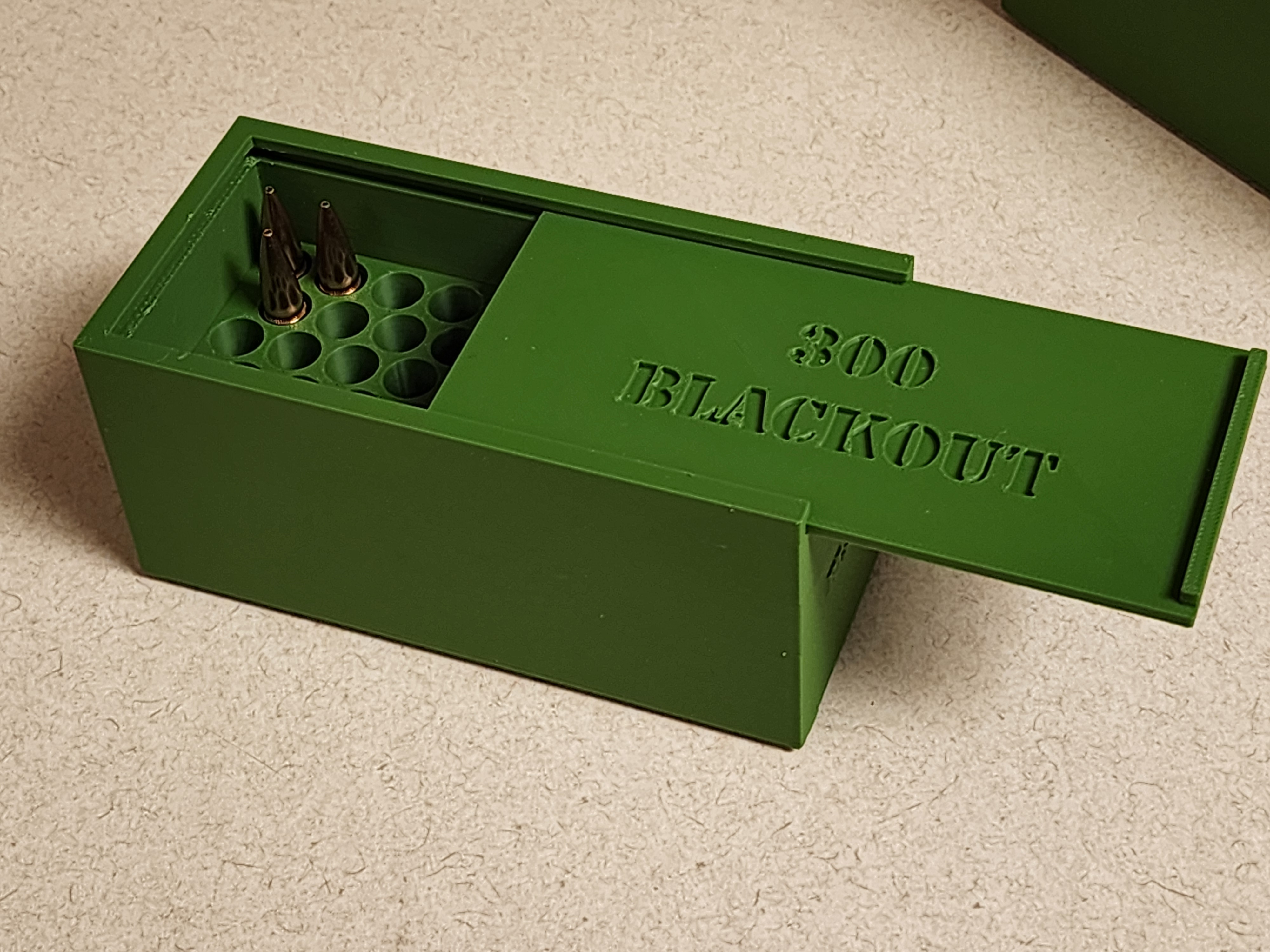
The 9mm Luger earned its crown not through hype, but through sheer practicality in every box of 9mm ammo you load. Its popularity stems from a perfect balance: recoil that lets you fire accurate follow-up shots, magazine capacity that outpaces larger calibers, and a cartridge short enough to fit slim, concealable handguns. For shooters, this means 9mm Luger delivers specialty sports decisive terminal performance with far less muzzle flip than .40 or .45, letting you stay on target during rapid drills. The round’s versatility shines too—practice loads are gentle and cheap, while premium defensive 9mm ammo expands reliably through clothing and barriers. Whether you’re a new shooter mastering grip or a veteran running a competition stage, this cartridge simply works harder for you, round after round, without punishing your wrist or your wallet.
What Makes This Cartridge a Balanced Choice for New Shooters
The 9mm Luger’s recoil impulse is the core of its balance for new shooters—firm enough to teach proper grip and flinch control, yet mild enough to avoid developing anticipation habits. This cartridge also allows for manageable muzzle rise, keeping sights on target for faster follow-up shots, which reinforces accuracy fundamentals. Its case dimensions feed reliably in nearly every modern pistol design, reducing malfunctions that frustrate beginners. Furthermore, the world’s widest selection of practice loads—from 115-grain standard pressure to softer 147-grain subsonics—lets a newcomer tailor felt recoil without changing platforms. The result is a learning curve that rewards technique but forgives minor errors. No other round this size offers such a seamless transition from classroom drills to live-fire proficiency.
Q: What makes this cartridge a balanced choice for new shooters?
A: It delivers enough push to build muscle memory, but its moderate energy Rimfire Ammo for Sale and ubiquitous availability of low-recoil variants ensure a beginner focuses on sight alignment, not surviving the shot.
The Real Difference Between 9mm Luger, 9mm NATO, and +P Loads
Standard 9mm Luger sits at SAAMI’s 35,000 psi ceiling, while 9mm NATO is a hotter military spec—typically 36,500 psi—yielding higher velocity and sharper recoil. +P loads push further, often near 38,500 psi, delivering defensive-grade expansion and penetration but accelerating wear on older or compact firearms. The real difference is pressure, not case length or bullet weight, and that extra stress changes point of impact and felt flip. *A pistol rated for standard pressure may handle Ammunition for Sale occasional NATO rounds, but +P demands explicit manufacturer approval for sustained use.* Mixing these pressure classes without verification risks frame fatigue or premature slide failure, so check your owner’s manual before relying on hotter ammunition for carry or practice.
9mm Luger is baseline pressure; 9mm NATO runs hotter for military reliability; +P is the highest civilian pressure tier—each step increases velocity, recoil, and mechanical stress, so match the load to your firearm’s rating.
How to Pick the Right Bullet Weight for Your Shooting Goals
For 9mm ammo, bullet weight dictates recoil impulse and terminal performance, so match it to your primary task. For competitive shooting or rapid follow-up shots, choose a **115-grain load**; its lighter mass produces snappier, yet shallower recoil, enabling faster sight recovery. For self-defense or suppressed use, select a **147-grain subsonic round**; the heavier projectile penetrates barriers more reliably and cycles quietly. A 124-grain bullet offers the best all-around compromise, balancing velocity and felt recoil for range practice and duty use. *However, your firearm’s barrel twist rate and magazine spring tension ultimately decide which weight feeds flawlessly, so test at least three options before committing.* Always verify point-of-impact shift—lighter bullets print lower, heavier ones higher—at your typical engagement distance.
115 vs. 124 vs. 147 Grain: What Each Weight Does for Recoil and Accuracy
Choosing between 115, 124, and 147 grain 9mm loads directly shifts your recoil impulse and accuracy ceiling. Lighter 115-grain rounds snap hard and fast, producing a sharper, higher-pitched kick that can pull your sight off target, though their velocity flattens trajectory for quick follow-ups. Mid-weight 124-grain ammo strikes the best balance—a slightly softer push with enough momentum to cycle reliably, making it the accuracy sweet spot for most shooters. Heavy 147-grain subsonics deliver a slow, rolling shove rather than a snap, reducing muzzle flip substantially and letting you track your front sight through the shot cycle, which tightens groups at speed. However, that gentle recoil requires a firmer grip to prevent limp-wristing, especially in compact pistols. For recoil management and consistent accuracy, 124-grain remains the most versatile choice, with 147-grain preferred for suppressed or competition use and 115-grain for target practice where rapid sight recovery matters less.
In short, 115-grain maximizes speed and snap, 124-grain delivers balanced control and precision, and 147-grain minimizes muzzle rise for slow, steady accuracy—pick based on whether you prioritize follow-up speed or recoil dampening.
Which Grain Size Works Best for Target Practice vs. Personal Defense
For target practice, **115-grain 9mm loads** are the pragmatic baseline because their lighter recoil impulse allows faster sight recovery and more consistent shot-to-shot placement, especially during high-volume range sessions. Heavier 124-grain or 147-grain projectiles, while softer in perceived “push,” can alter your timing and mask poor grip fundamentals. For personal defense, 124-grain or 147-grain hollow points excel: their greater mass penetrates clothing and tissue more reliably, and their subsonic velocity (in 147-grain) reduces muzzle flip in rapid follow-up shots. Grain choice here is a trade-off between controllability and terminal performance. Balancing recoil management with penetration depth is the core decision.
Q: Which grain size works best for target practice vs. personal defense? A: 115-grain for practice, 124-grain or 147-grain for defense—unless your specific pistol cycles better with one weight, which you must confirm with reliability testing.
Full Metal Jacket vs. Hollow Point: Choosing the Right Bullet Type
When picking 9mm ammo, the choice between Full Metal Jacket (FMJ) and Hollow Point (HP) boils down to purpose. FMJ rounds are your go-to for range practice—their tough copper jacket prevents leading in the barrel and feeds reliably in most pistols, keeping your training affordable. Hollow points are for defense because their open nose expands on impact, dumping energy into a threat while drastically lowering the risk of over-penetration through walls. For 9mm, the difference in recoil is subtle, but the terminal effect is massive. *That said, a FMJ that over-penetrates a target is a liability you own, while a HP that fails to expand in heavy clothing turns your defensive gun into a liability too.* So, ask yourself: am I punching paper or protecting my life? Pick accordingly, and test your chosen 9mm load in your actual carry gun to confirm it cycles.
When to Use FMJ Rounds at the Range
FMJ rounds are your default choice for the range, as they deliver reliable feeding and consistent ballistics while protecting your wallet. Their solid construction prevents excessive lead fouling, keeping your 9mm barrel cleaner for longer sessions, and their predictable trajectory lets you focus on grip and sight alignment instead of compensating for expansion. Because FMJ lacks hollow-point’s terminal expansion, you can safely shoot steel targets without excessive splash-back damage, and you avoid the higher muzzle flip that defensive rounds produce, which skews recoil management practice. For pure repetition—draws, reloads, and transition drills—FMJ gives you the highest round count per dollar, building muscle memory without waste. Save hollow points for function-checks of your carry mag, but run FMJ for the other 95% of your practice.
Q: When should I 7mm WSM Ammo for Sale switch from FMJ to hollow points at the range?
Only load hollow points for a final reliability test with your self-defense magazine—firing two or three to confirm feeding. For all other range drills, FMJ is superior: it’s cheaper, cleaner, and mimics the same recoil impulse closely enough to improve your defensive shooting, minus the cost and barrel wear.
How Hollow Points Expand and Why They’re Safer for Self-Defense
When a 9mm hollow point strikes soft tissue, hydraulic pressure forces the bullet’s core to peel back around the engineered nose cavity, roughly doubling its diameter in the first few inches of penetration. This controlled expansion creates a larger wound channel and transfers energy rapidly, which stops threats faster than a non-expanding slug that might Handgun Ammo for Sale pass through cleanly. Because the expanded diameter also slows the projectile internally, the risk of over-penetration drops sharply—meaning fewer rounds exit an attacker and endanger bystanders. For self-defense, that combination of reliable expansion and reduced pass-through is why 9mm hollow points are the safer, more ethical choice. Key expansion phases include:
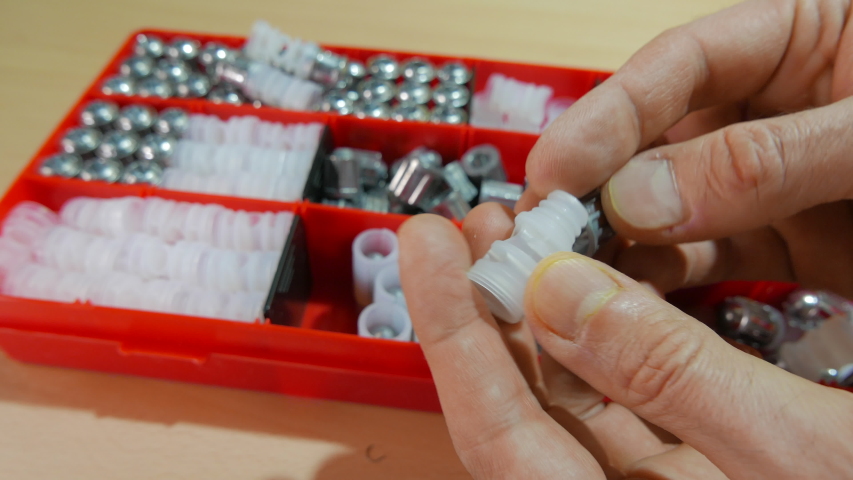
- Fluid pressure initiates symmetrical petal folding.
- Diameter increases for maximum tissue disruption.
- Residual velocity drops, limiting exit wounds.
Understanding Key Performance Factors: Velocity, Pressure, and Accuracy
Understanding velocity, pressure, and accuracy in 9mm ammo begins with their interlinked physics. Higher velocity flattens trajectory but increases felt recoil, demanding a firmer grip for consistent shot placement. Pressure, measured in PSI, determines how fast the powder burns; excessive pressure can cause primer flattening or case bulging, while low pressure leads to erratic cycling and dirty chambers. Accuracy emerges from a balance: a 9mm round with standard-pressure loads (around 35,000 PSI) and a muzzle velocity of 1,100–1,200 fps typically yields tighter groups from compact barrels. However, bullet weight (115 vs. 124 vs. 147 grain) alters velocity retention and recoil impulse, shifting point of impact even with identical sights. Match-grade ammunition prioritizes consistent velocity spread over raw speed, minimizing vertical stringing. Always chronograph your chosen load and verify pressure signs before trusting it for precision work.
What Muzzle Velocity Numbers Mean for Your Shooting Experience
Muzzle velocity numbers tell you how your 9mm round will behave the instant it leaves the barrel, directly shaping your recoil impulse and point of impact. A hotter load pushing 1,200 fps will crack flatter and strike higher at 25 yards, while a slower 950 fps defensive round drops noticeably and feels softer in the hand. For practical shooting, velocity directly dictates bullet expansion reliability—if your hollow 6.5 PRC Ammo for Sale point falls below its designed speed window, it may fail to open, turning a critical defensive shot into a deep but narrow wound. To match velocity to your needs:
- Check the manufacturer’s stated velocity for your barrel length, as shorter barrels lose 50–100 fps.
- Zero your sights at your typical engagement distance using that specific load’s average speed.
- Test expansion on gel or water jugs to confirm the velocity actually delivers terminal performance.
How to Read the Box: A Simple Guide to Key Specs on the Label

When you flip a 9mm box, focus on three specs that dictate performance. The **muzzle velocity**, listed in feet per second, tells you how Rifle Ammo for Sale flat the trajectory is—115-grain loads often hit 1,100–1,200 fps. Bullet weight (grains) directly changes recoil and penetration: 124-grain balances speed and stopping power, while 147-grain subsonic loads run quieter for suppressed use. Pressure is shown as “+P” (higher pressure, more velocity) or standard—never mix these in older guns. Check the bullet type: full metal jacket for range, jacketed hollow point for defense. Ignore fancy branding; these numbers alone let you compare brands like a reloader. One glance at the label rewrites your entire shooting experience.
Practical Tips for Storing Your 9mm Ammunition Safely and Properly
Store your 9mm ammo in a cool, dry place with stable temperatures below 75°F, using airtight metal or heavy-duty plastic ammo cans with desiccant packs to prevent moisture-induced corrosion on brass casings and primers. Keep boxes upright and off concrete floors—use wooden shelving to avoid wicking dampness that degrades powder over time. Rotate your stock annually, shooting the oldest rounds first, since even properly stored 9mm loses peak velocity after five years.
Never store loose rounds loose in a range bag; friction against metal zippers can deform bullet tips and cause feeding failures.
Label every container with purchase date and lot number so you can retire questionable batches immediately, and always keep ammunition in a locked, childproof cabinet separate from firearms to avoid accidental primer strikes during handling.
Best Practices for Keeping Your Rounds Reliable for Years

To keep your 9mm rounds reliable for years, prioritize **stable, low-humidity storage** by using sealed ammo cans with desiccant packs, which prevents moisture from degrading primers and powder. Rotate your oldest stock to the range first, ensuring you always use fresh cartridges while maintaining a consistent reserve. Avoid exposing ammunition to extreme temperature swings, as repeated thermal cycling can cause case mouth tension to relax, leading to bullet setback during feeding. Finally, inspect each round visually before loading; reject any with corrosion, dents, or loose bullets, as these faults compromise chambering and ignition.
- Store in airtight containers with silica gel, not loose in fabric pouches.
- Label cans with purchase date and lot number to track age.
- Never lube cartridges—oil attracts dust and soaks into primers.
- Run a monthly cycle of your oldest rounds to keep the supply 6.5 Creedmoor Ammo for Sale dynamic.
How to Spot Signs of Wear or Damage on Your Cartridges
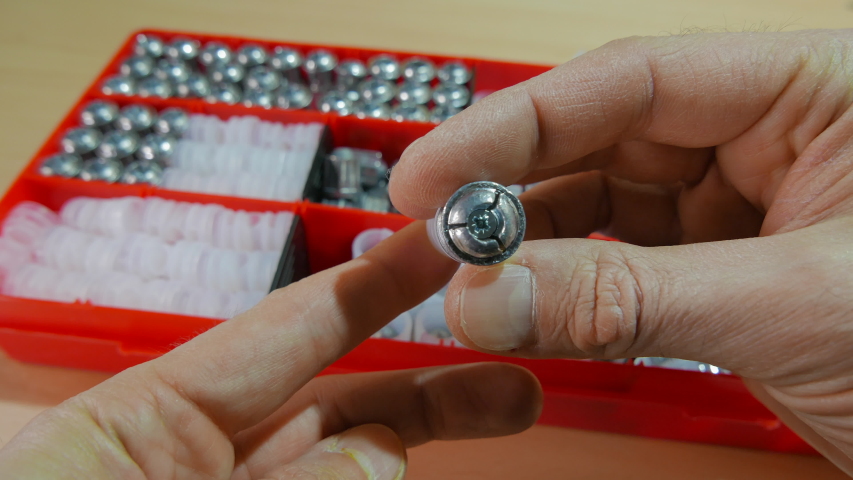
Before loading, give each 9mm round a quick once-over. Look for **corrosion or tarnishing** on the brass, especially green or black spots, which can weaken the case and cause failures. Check the primer pocket—if the primer sits proud or looks pierced, skip it. Run your thumb along the bullet nose; dents or deep scratches there can affect feeding and Shotgun Ammo for Sale accuracy. Also, shake a suspicious cartridge near your ear—a loose powder rattle isn’t totally normal, but a dead-silent one might mean a split case. Toss anything with cracked necks, bent rims, or shiny ring marks around the case mouth, as those signal wear from rechambering.
- Inspect for green or black corrosion on the case body.
- Look for a recessed or missing primer—don’t use it.
- Check bullet seating: it should be snug, not tilted or pushed in.
- Reject rounds with visible cracks, dents, or flattened noses.
Common Mistakes Beginners Make When Buying or Shooting This Caliber
Beginners often buy the cheapest 9mm ammo they can find, ignoring that inconsistent recoil and dirty powder burn can mask poor technique. Another major error is assuming all 9mm is identical—they grab heavy 147-grain loads for a compact gun, causing snappy recoil that destroys sight alignment. When shooting, newbies tend to anticipate the bang, jerking the trigger, and then blame the ammo for flyers. They also neglect to test multiple bullet weights, so they never discover that their pistol prefers 115-grain flat points over round noses.
Stop chasing bargain prices; instead, buy three small boxes of different brands and weights, then shoot one group from a rest to see what your barrel actually likes.
Finally, they get flustered by the snap of +P loads and flinch, which ruins accuracy far more than any round’s ballistic difference.
Why You Shouldn’t Overlook the Importance of Bullet Shape for Reliable Feeding
When you’re picking 9mm ammo, the bullet’s nose shape often gets ignored—until your slide slams forward on empty. Round-nose full metal jackets are the gold standard for **reliable feeding in 9mm pistols**. Flat-nose or hollow-point designs, while great for defense, can hang up on the feed ramp if your gun has a tight chamber or a weaker recoil spring. The ogive—that curve from the tip to the case—dictates how smoothly the round transitions from magazine to barrel. A too-abrupt shoulder catches, causing a stovepipe or failure to return to battery. Test a few box designs before committing to a bulk order.
Why shouldn’t you overlook bullet shape for reliable feeding? Because a perfectly sized cartridge with the wrong profile will jam under rapid fire, turning practice into a frustrating malfunction drill. Stick with proven, rounded profiles for range sessions—save the exotic shapes for guns you’ve already tuned.
Simple Ways to Test a Few Brands Before Committing to One Box
Buying one box of five different 7mm-08 Ammo for Sale 9mm brands is smarter than bulk-buying a single unknown lot. Shoot a single magazine from each at a clean target, then compare the groups for consistent, tight patterns. Testing multiple 9mm brands for reliability also means mixing in a few hollow points and flat-nosed rounds to catch feed-ramp failures. Note the ejection pattern: a consistent 3-to-5-foot toss indicates proper pressure, while erratic flinging suggests weak or hot loads. Check the primer strike indentation—a deep, centered dimple proves the firing pin hits reliably. Finally, switch brands between mags without cleaning to see which one maintains accuracy as fouling builds. Only after this comparison should you commit to a case.
